Local Vendor Gift Shopping: A Checklist for Unique Market Finds
A practical checklist for buying gifts from local market vendors — how to choose for a specific person,...

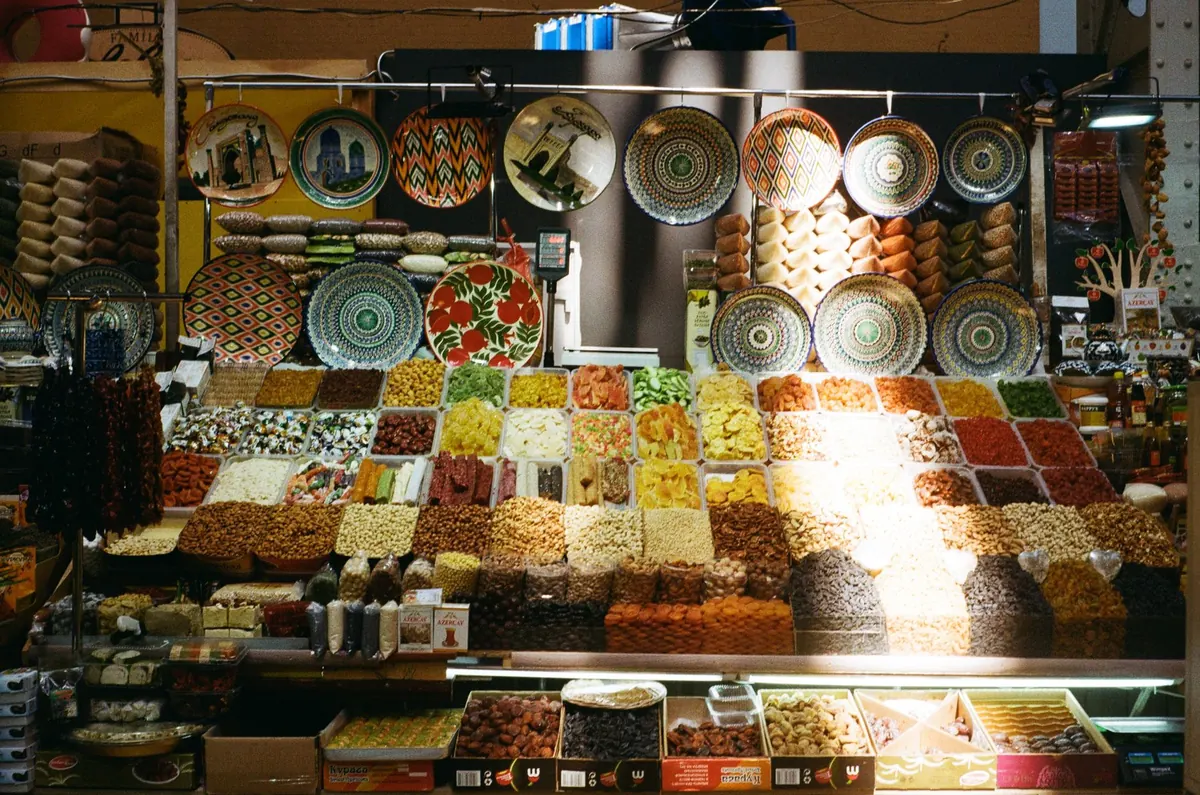
A market at six in the evening is a different place from a market at nine in the morning. The fishmonger is calling out what is left, the baker is bagging the last loaves, and the vegetable stall that looked so tidy at dawn is now a cheerful jumble of things that need eating tonight. That is the hour when a good dinner gets cheap — if you shop it properly. Building an evening meal from stalls is not about buying less. It is about buying in the right order, choosing food that is already halfway to being cooked, and letting the market write the menu instead of a recipe you found at noon.
The common mistake is buying six lovely things that never add up to dinner: a punnet of figs, a wedge of cheese, some cured meat, a bunch of basil. Delicious, and gone in twenty minutes. Before you start, decide on one anchor — the starchy, filling centre that makes the meal a meal. A loaf, a bag of pasta, a kilo of potatoes, a tray of rice, a stack of flatbreads. Everything else becomes a topping, a side or a sauce for that anchor.
Once the anchor is chosen, the rest of the market becomes a set of decisions rather than a set of temptations. If the anchor is bread, you want something wet and generous to go on it. If it is potatoes, you want something sharp and something green. If it is pasta, you want a vegetable that collapses into a sauce. The anchor costs little. It is the one purchase that keeps the whole bag sensible.
Balanced does not mean complicated. A market dinner works when it has four jobs covered, and you can fill each one from a different stall:
Cover those four and you have dinner. Miss the fourth and the plate will taste like something is missing, even if you cannot say what.
Do a full lap before you spend a coin. Note who has the best-looking greens, who is reducing what, and where the queue is — queues at a stall usually signal freshness and turnover, though not always price. Then buy in this order: dry goods and long-keeping items first, so they sit at the bottom of the bag; vegetables and fruit next; bread, cheese and fish last; hot food and anything delicate at the very end. It sounds fussy. It saves you from a bag of crushed tomatoes and a warm block of cheese.
While you are there, talk. Ask the vegetable seller which box is for cooking rather than for salad. Ask the baker what was baked this morning and what is left from yesterday. Stallholders would rather sell you the right thing at a low price than the wrong thing at a high one, and they know exactly which is which.
Almost every vegetable stall has one: tomatoes too soft for salad, courgettes with a bruise, peppers with a dent. For a sauce, a soup or a tray bake they are indistinguishable from the perfect ones once cooked. Buy them by the bag, not by the piece.
Yesterday's loaf is tomorrow's dinner. Slice it, dry it in a low oven for breadcrumbs, tear it into a pan with oil and tomatoes, or grill it and rub it with garlic. It keeps for days in a paper bag, longer in the freezer.
If there is a butcher or a fishmonger, ask what they have for stock. Bones and trimmings often cost very little and turn into the base of a dozen meals. Herb stems, carrot tops and onion skins go in the same pot.
The small, awkward pieces at the back of a cheese counter melt exactly like the big ones. And a dry goods stall selling beans and lentils by weight will usually undercut anything in a packet — with the small caveat that dried pulses need soaking, so plan a day ahead.
Cheap cooking is rarely about a bargain. It is about buying things that were always going to be cooked, and cooking them well.
Here is what a workable route looks like on a Thursday, when the market is thinning out and the bags are heavy. Nothing here is a recipe; it is a sequence.
At home: simmer the beans with garlic and a bay leaf if you have one, or warm the cooked ones in oil. Soften the tomatoes in a pan with sliced garlic until they fall apart, then season and add a squeeze of lemon. Tear the bread into rough pieces, toss with oil and toast or grill it. Put the beans on the toast, spoon the tomatoes over, crumble both cheeses on top, scatter herbs. If you bought fish, it goes in the same pan as the tomatoes for the last few minutes; if you bought sausages, brown them first and let the tomatoes finish around them.
That is a balanced dinner for a household of three or four, made almost entirely from the cheaper end of five stalls. The cost sits in the beans, the bread and the vegetables. The luxury — the cheese, the herbs, the lemon — is measured in small amounts.
Three techniques will handle nearly everything you carry home. Roast at a moderate heat: potatoes, squash, onions, peppers and sausages all behave well together with oil, salt and time. Simmer with a lid: beans, lentils, greens and tomatoes turn into something spoonable that keeps for days. Grill or toast: bread, cheese, mushrooms, fish and leftover vegetables all benefit from a hard, fast heat and a squeeze of lemon afterwards.
Season in stages rather than at the end, taste as you go, and keep one sharp element on hand — vinegar, lemon, a pickle — to lift a plate that tastes flat. That single habit does more for a budget dinner than any ingredient you can buy.
Do not shop for one dinner. Shop for a rhythm: a big pot of beans or lentils on the day you shop, a tray of roasted vegetables the next, bread frozen in slices, cheese rind saved for soup. A market bag built this way covers three or four meals, and the second and third meals cost almost nothing because the anchor and the base are already cooked.
Two cautions. Buy only what you can carry and store — waste is the most expensive thing in any kitchen. And if you are managing a tight household budget, it is worth writing down what you actually spend for a couple of weeks before changing anything; a clear picture beats good intentions, and a free debt or money advice service can help if the numbers are worrying you.
Check what is already in the cupboard and the freezer. Decide the anchor. Take a bag, a small cold bag for fish or cheese, and a little cash in small notes. Then walk the market once before buying anything, and let the last hour of trading do the rest.
Photo: Mykhailo Volkov / Pexels
A practical checklist for buying gifts from local market vendors — how to choose for a specific person,...
Evening markets do more than sell food after work — they turn a square into a meeting place and give small...
A practical guide to evening market events with children: when to arrive, what to pack, how to handle...