Local Vendor Gift Shopping: A Checklist for Unique Market Finds
A practical checklist for buying gifts from local market vendors — how to choose for a specific person,...

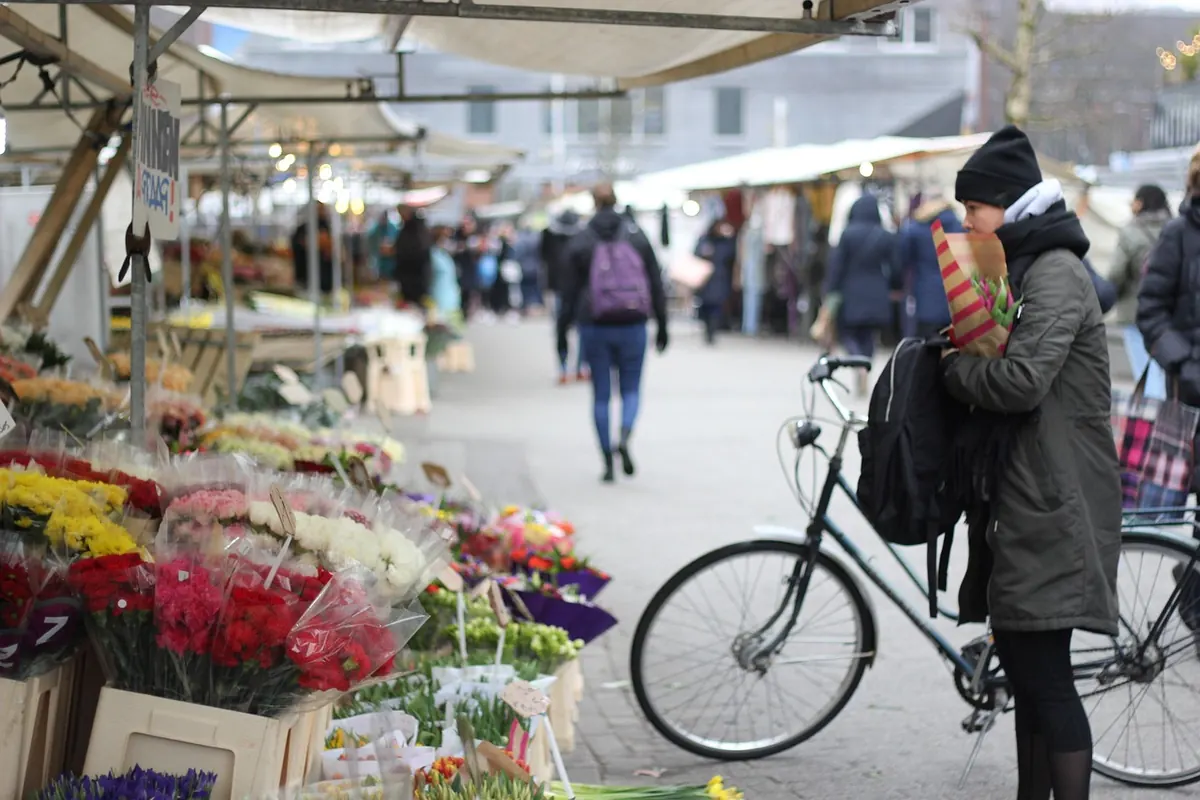
Markets have a double life. The same square that smells of wet cardboard and diesel at seven in the morning can, by eight in the evening, smell of grilled onions, warm bread and somebody's over-watered herb pots. The stalls may be in the same places. The people behind them are often not. Understanding what changes after sunset is the difference between arriving at an evening market prepared and arriving annoyed that the fishmonger's spot is now a stand selling fried dough.
Morning markets are lit by whatever the sky gives them. That flat, honest light shows you the bruise on a peach and the dull eye of a fish, which is exactly why the serious shopping happens before noon. Evening markets are lit from below and from inside: bulbs strung along a frame, a clip lamp angled at a crate of tomatoes, the blue-white glow of a chilled cabinet. Colors get warmer and kinder. Under morning light a red pepper looks like an ingredient; under a bare bulb it looks like dinner.
The light changes the conversation too. In the morning, talk between vendor and customer is short and functional — weight, price, change, next. In the evening it stretches. People ask what's in the sauce, whether the bread is from this morning, whether the stall will be back next week. Vendors have more slack because they aren't bracing for a queue. If you want to actually learn something from the person selling you food — how to cook it, how to store it, when it's best — the evening is usually the easier hour for that.
Morning markets are built around producers: the grower who drove in at five, the butcher, the fishmonger, the cheese stall, the greengrocer with a wall of crates. Evening markets keep whoever can survive a long day, then add a second wave entirely: people making hot food to order, bakers doing a late bake, ceramists, plant sellers, vintage clothing, soap, honey, someone with a folding table of second-hand books.
Some evening markets are really two markets layered on top of each other — a handful of produce stalls holding on at the edges, and a ring of dinner stalls in the middle. Knowing which one you're walking into decides whether you come home with a week of vegetables or a paper cone of something fried.
What the evening version is generally better for:
In the morning, food is fuel and provisions: coffee and a pastry while you shop, then fruit, bread and cheese for the week. In the evening, eating is the reason people came. Portions get smaller and more shareable. Menus get shorter. You'll see a stall doing three things well rather than fifteen things adequately, and that's usually the one to join.
A few habits worth adopting. Eat before you shop for produce, or you'll end up carrying a bag of greens while trying to manage a hot sandwich. Ask what came out of the kitchen in the last half hour — anything sitting under a lamp since opening will taste like it. And if you're buying for the next day, do it in the last hour, when prepared food is often reduced because nobody wants to pack it up. Selection is thinner then, so treat it as a gamble, not a plan.
Morning shopping is list-driven. You buy by weight and volume, you know roughly what a kilo looks like, and you can carry it home and put it away before the day starts. Evening shopping is opportunistic: a loaf, a jar, dinner, maybe a plant you didn't need. The failure mode is arriving with a tiny handbag and no cash.
Morning markets have one honest rush. Between about seven and nine, the people who know what they want get in and out, and by late morning the good stuff is picked over and sellers are packing. Evening markets have two peaks: an early wave of families and people buying dinner on the way home, and a later, looser crowd that arrives to stand around. The window roughly half an hour after opening gives you full stalls and short lines. The final hour gives you discounts and the odd empty table.
For raw ingredients, the morning is not close. Fish, meat, and delicate produce are better and more varied before noon, and the person behind the counter has time to cut something to order. Prices per kilo also tend to be lower when you're buying volume rather than a portion. Morning markets are quieter, easier with a stroller or a bicycle, and better for a big weekly shop you intend to carry home. If you care about what you're cooking tomorrow, go early. If you care about what you're eating tonight, go late.
Split the job. Do your heavy shopping at the morning market once a week — vegetables, cheese, whatever needs to last — and treat the evening market as the meal and the browsing. Use the evening visit to ask the questions you never have time for at dawn, then buy the same vendor's bread or preserves twice, because recognition is worth more than any discount.
Before you travel across town, confirm the schedule. Many evening markets run one night a week or one night a month rather than daily, and some move indoors or stop entirely in winter. Check the day, the hours and the location the same week you plan to go, then leave a little slack: the best evening markets are the ones you arrive at without a list.
Photo: barcellosalice / Pixabay
A practical checklist for buying gifts from local market vendors — how to choose for a specific person,...
Evening markets do more than sell food after work — they turn a square into a meeting place and give small...
A practical guide to evening market events with children: when to arrive, what to pack, how to handle...